Founded
2008
Directors
Hans van Enckevort
Luuk van Enckevort
Locations
Rogstraat 28
Herpen
5373AV
The Netherlands
Exhibited artists
Dean West
Tom Blachford
Maria Svarbova
Solo presentation series The American West by Dean West
From the stoic gunslinger to the charismatic outlaw, cowboy’s both on and off the screen, have left a lasting impression on their audiences. When it comes to making pictures, the Western movie genre draws from a well of cultural symbols that capture the essence of America. Where mensymbolize grit, a rugged individualism and the search for freedom and adventure on the open frontier.
From the Great Train Robbery (1903) to Butch Cassidy and the Sundance Kid (1969), standing tall inside this dusty, cinematic universe is the cowboy himself. A figure that knows how to wield a gun andride horses well. From 1910 through 1960, approximately a quarter of all films featured western themes and landscapes, not only due to its representing ideals of bravery, honor and defending the innocent, but also due to its low cost to produce. Production companies were able to build sets in cheap, deserted parts of the country and reuse them over and over again.
The Golden Age of Hollywood saw the rise of classic Westerns and their larger than life heroes exploding onto the screen. Canonized icons such as John Wayne and Clint Eastwood, often depicted as strong and resilient individuals capable of enduring harsh conditions and facing danger with courage, embodied a distinct form of masculinity that permeated popular culture and resonated with audiences worldwide. An icon with values that America could get behind. Hollywood overlooked the Vaqueros however, expert horsemen from Spain and Mexico who actually herded cattle and whose skills with a lasso were legendary - and the black cowboys who also played a significant role in shaping the ranching cattle industry - the industry favored their ownversion - a tough and rugged white male.
The cowboy aesthetic, with its distinctive clothing, horseback riding, and wide-open landscapes, lends itself well to cinematic storytelling. The image of a lone rider silhouetted against the sunset has become an enduring cinematic icon, even crossing over into advertising as seen with Philip Morris and Leo Burnett’s famous Marlboro Man Campaign in 1954. Oozing with masculinity, the Marlboro man appealed to a desire for adventure and ruggedness - not only boosting Marlboro's sales but forever shaping and changing perceptions of masculinity and cigarette smoking for decades.
From Richard Prince’s ongoing deconstruction of the American archetype, to Andy Warhol’s appropriation of Flaming Stars “Triple Elvis”, the world continues to be attracted to the spectacle of The American West over lived experience. West leans into the cultural canonization of the mythological cowboy in his new series “The American West” From awe-inspiring landscapes to beautifully crafted portraits, West’s images are a sort of meditation devoted to materialism and illusion.
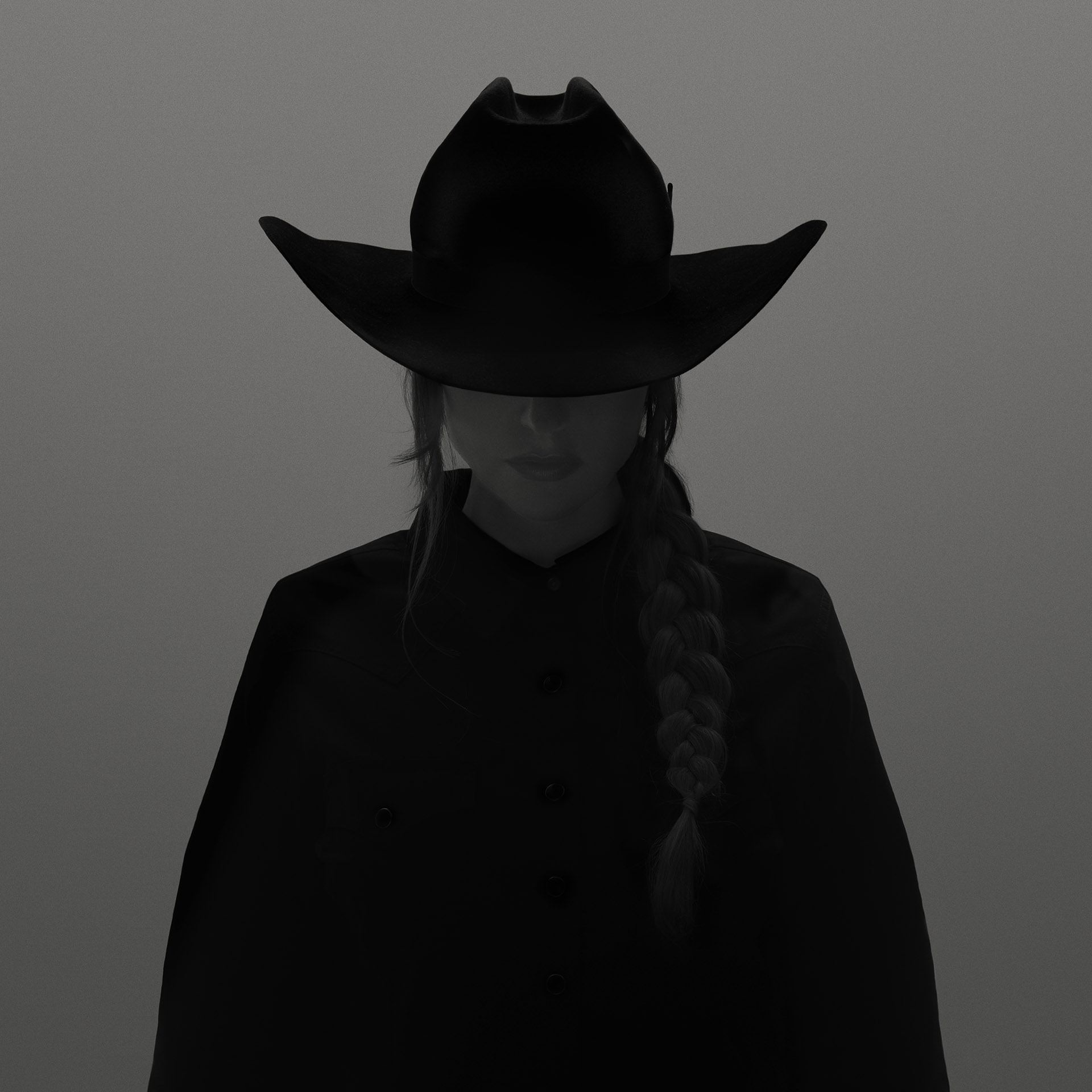
In some of West’s pictures, the artist uses the power and mystery of the silhouette, often choosing not to light or purposefully shade a subject to create an air of mystery and intrigue. The technique, well used throughout the medium's history by photographers such as Irving Penn and Elliot Erwitt, distills down a subject to form, shape and composition whilst also inviting the audience to input their own imagination, depth and complexity to the picture. They represent archetypal figures or universal concepts, transcending individual characteristics to convey broader themes and ideas.
Dean was born in 1983 and he lives and works in Florida, USA.
Solo presentation new series Midnight Modern VII by Tom Blachford
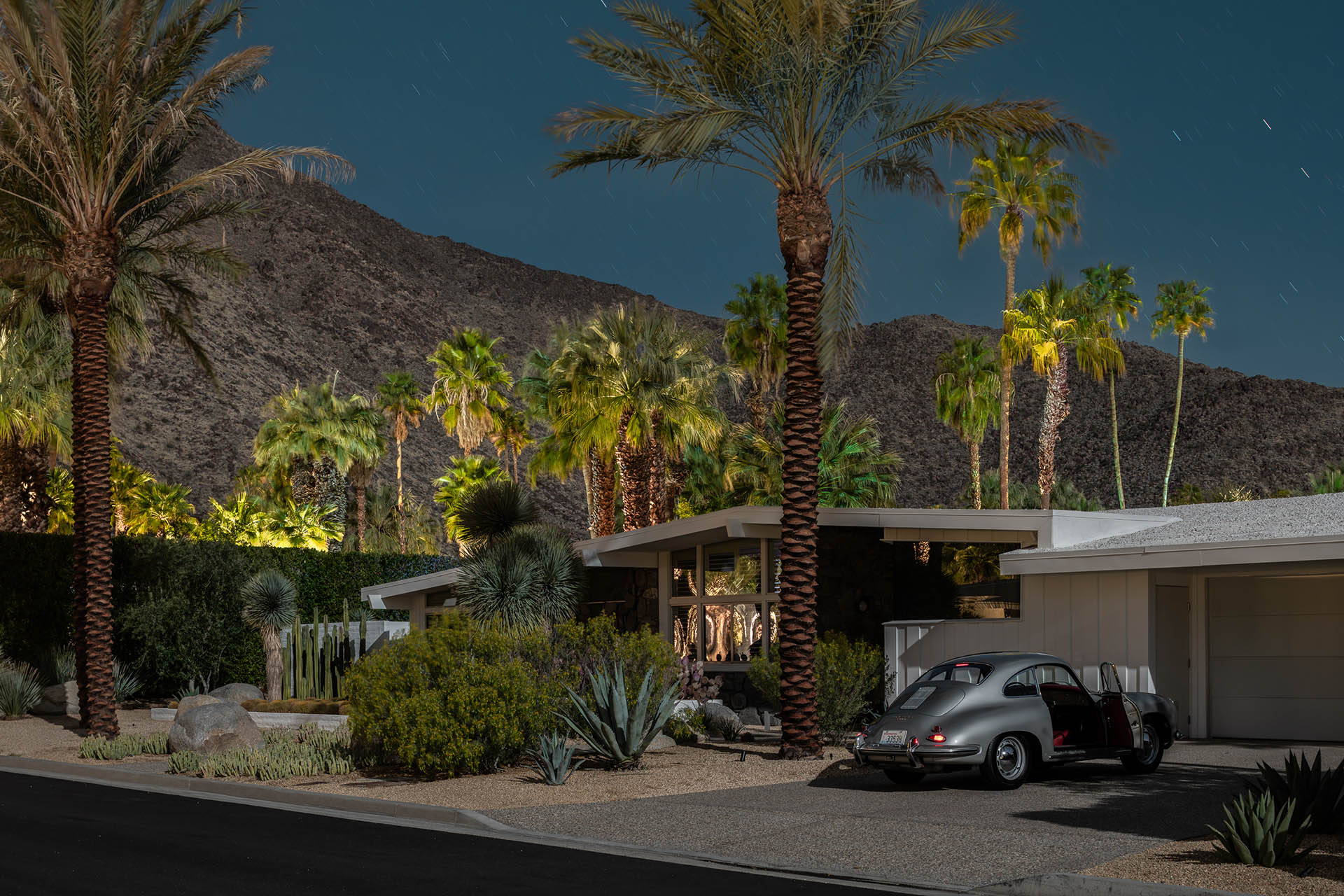
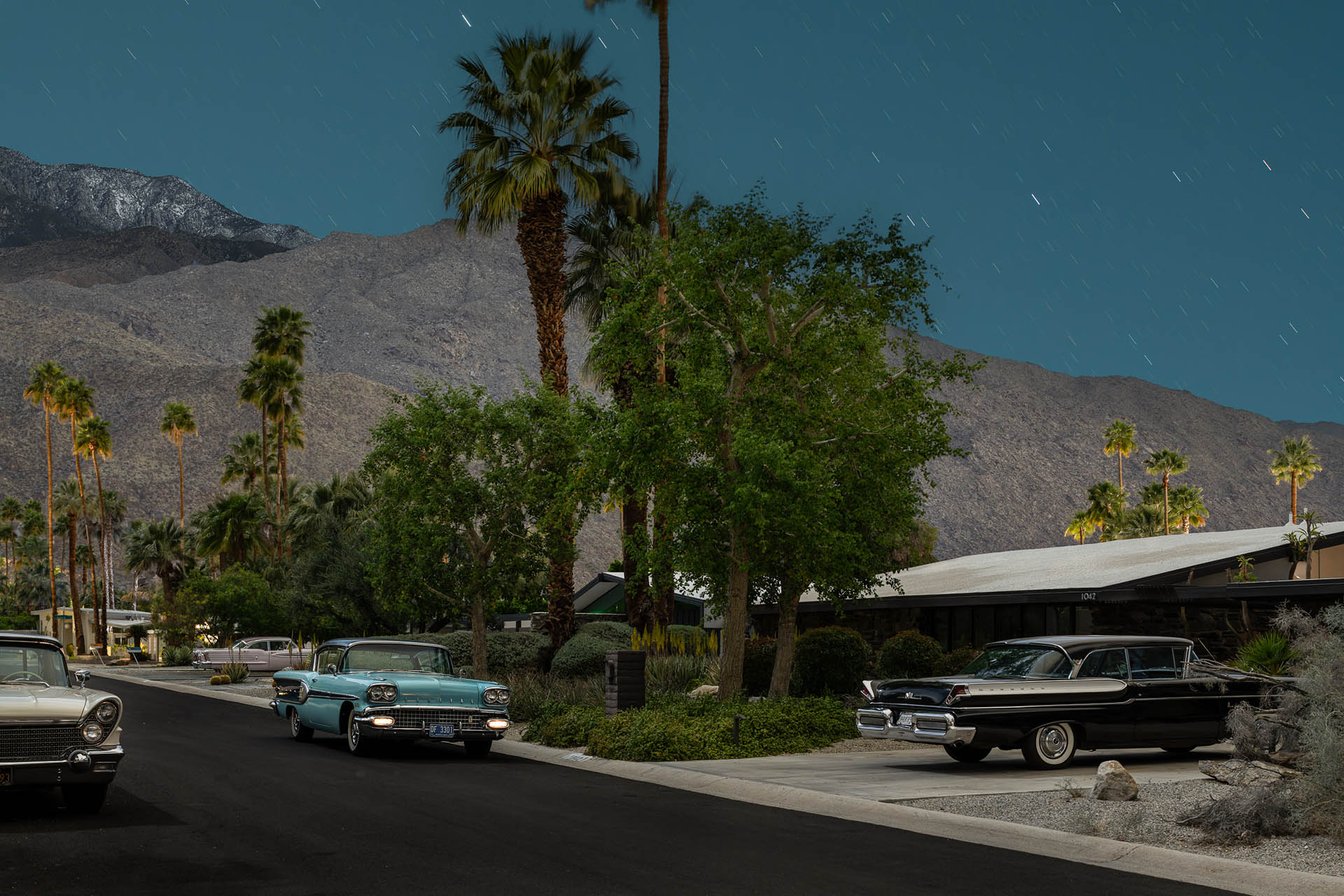
Tom Blachford is a creature of the night. From Palm Springs to Tokyo and Bolivia, the Australian photographer has dwelled patiently in the dark, composing his immaculate studies of moonlit mid-century houses, residential skyscrapers and civil buildings.
Working at the intersection of long exposure photography and exploration of the built environment, Tom Blachford’s fine art photographs seek to transform predictable and known environments into surreal and dreamlike worlds.
Obsessed with capturing the moments of clarity, colour and mystery that exist just beyond the limits of our human perception, Blachford explores the ability for his camera to bridge our worlds to dark worlds beyond our reach.
Captivated by architecture, not only for its sculptural forms, Blachford’s images of homes, towns and suburbs act as the the stage for unwritten narratives that implore the viewer to script their own drama happening behind the walls of each scene.
Using only the natural light of the full moon, Blachford hunts for the overlooked cinematic moments in the everyday and works to distil them with a sense of mystery, unease and wonder.
Tom was born in 1987 and he lives and works in Melbourne, VIC, Australia.
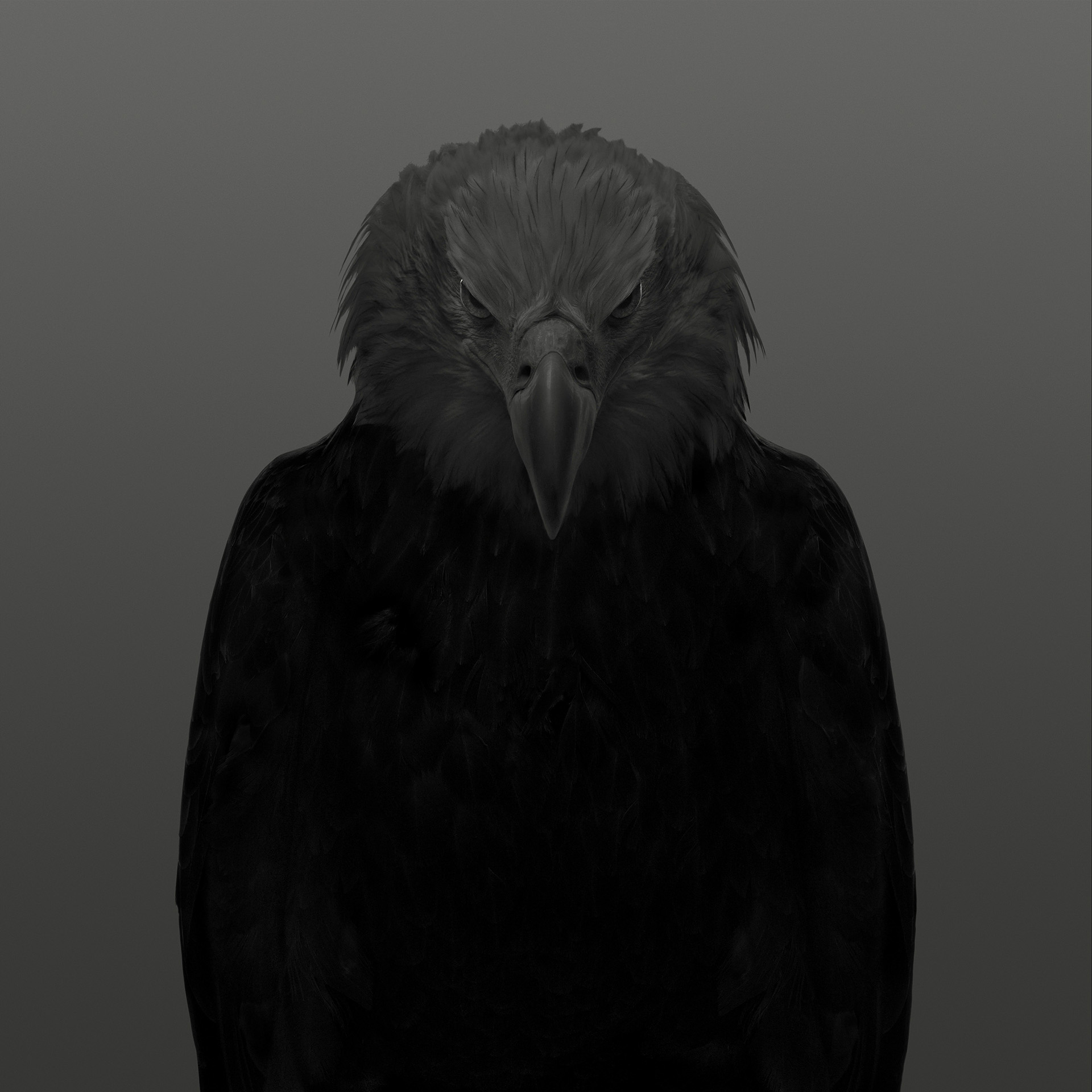
Dean West (USA)
Bald Eagle #1, American West
2025
151,5(h) x 151,5(w) cm (edition 3)
Photography / Fine art archival pigment print behind Museum Glass in a handmade black ash frame
Courtesy of ARTITLEDcontemporary and Dean West
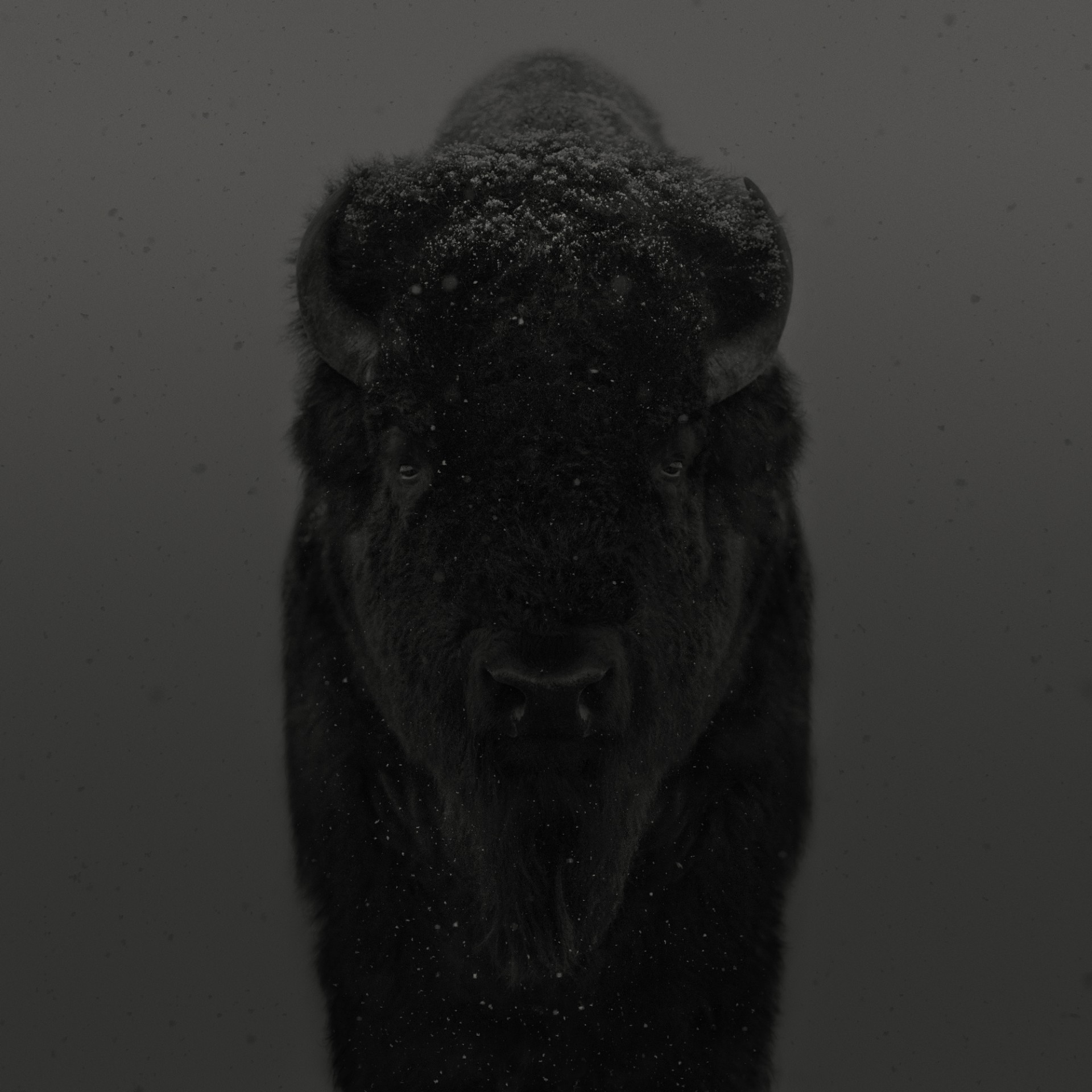
Dean West (USA)
American Bison #1, American West
2025
126(h) x 126(w) cm (edition 6)
Photography / Fine art archival pigment print behind Museum Glass in a handmade black ash frame
Courtesy of ARTITLEDcontemporary and Dean West
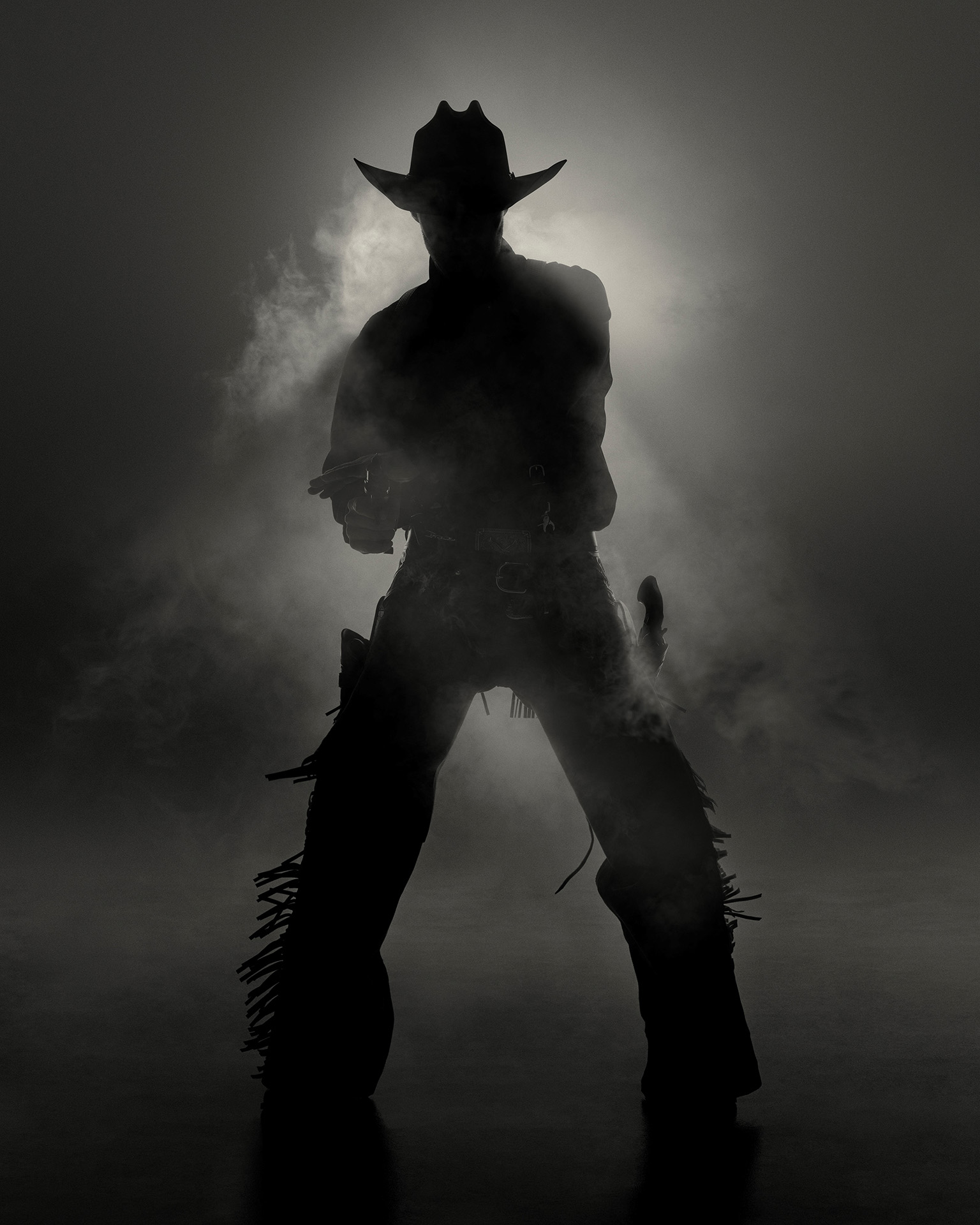
Dean West (USA)
Cowboy Study #1, American West
2024
188(h) x 151,5(w) cm (edition 3)
Photography / Fine art archival pigment print behind Museum Glass in a handmade black ash frame
Courtesy of ARTITLEDcontemporary and Dean West
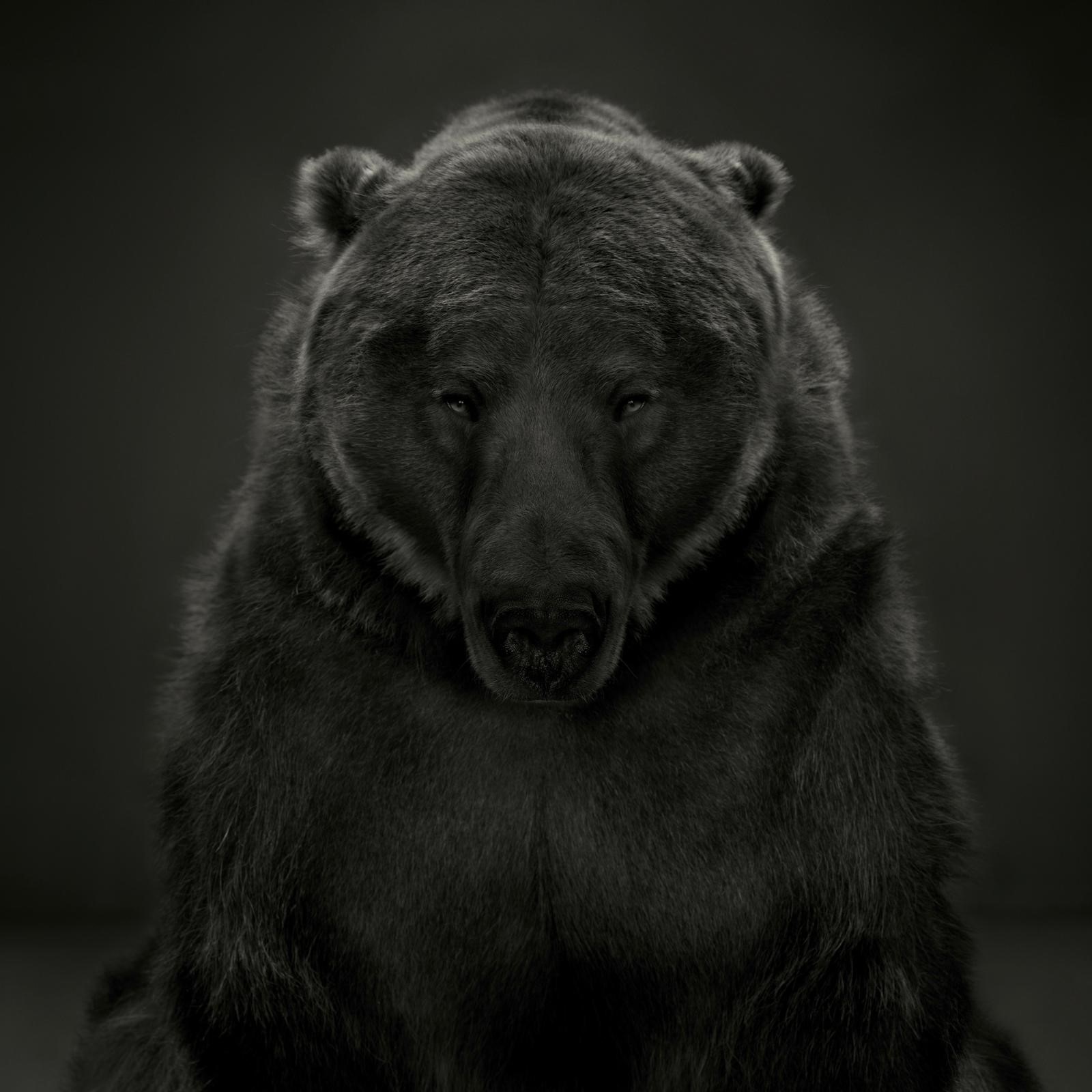
Dean West (USA)
Kodiak Bear #1, American West
2024
151,5(h) x 151,5(w) cm (edition 3)
Photography / Fine art archival pigment print behind Museum Glass in a handmade black ash frame
Courtesy of ARTITLEDcontemporary and Dean West
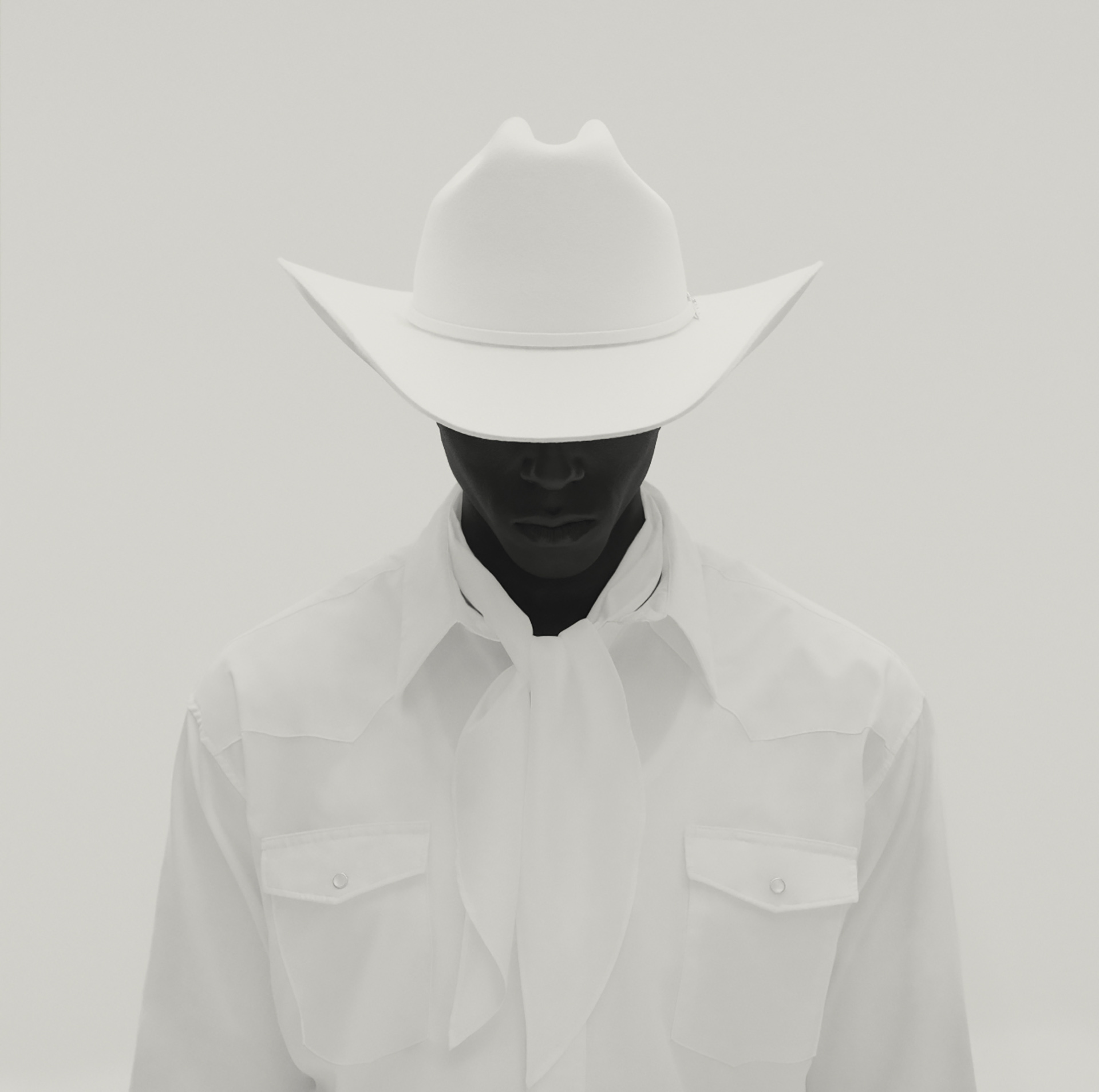
Dean West (USA)
Isaac Silhouette #1, American West
2024
100(h) x 100(w) cm (edition 9)
Photography / Fine art archival pigment print behind Museum Glass in a handmade black ash frame
Courtesy of ARTITLEDcontemporary and Dean West
Dean West (USA)
Ash Silhouette #1, American West
2024
100(h) x 100(w) cm (edition 9)
Photography / Fine art archival pigment print behind Museum Glass in a handmade black ash frame
Courtesy of ARTITLEDcontemporary and Dean West
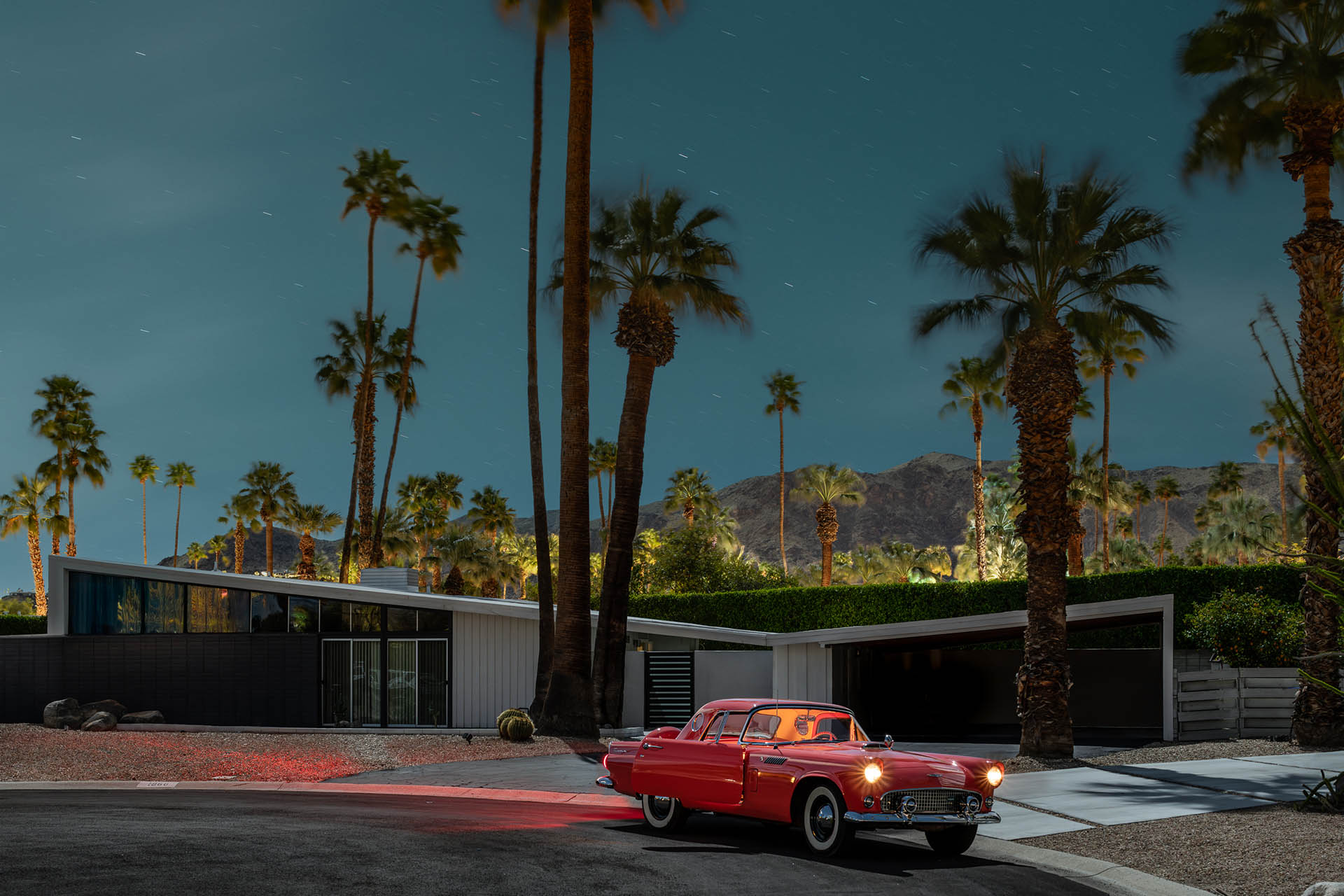
Tom Blachford (Australia)
Thunderbird at Apache Circle (Lights On) - Midnight Modern
2025
92,5(h) x 137,5(w) cm (edition 10 + 2 AP) and 124,5(h) x 185,5(w) cm (edition 4 + 2 AP)
Photography / Fine art archival pigment print behind Museum Glass in a handmade walnut frame
Courtesy of ARTITLEDcontemporary and Tom Blachford
Tom Blachford (Australia)
356 at Ceres (Arrival) - Midnight Modern
2025
92,5(h) x 137,5(w) cm (edition 10 + 2 AP) and 124,5(h) x 185,5(w) cm (edition 4 + 2 AP)
Photography / Fine art archival pigment print behind Museum Glass in a handmade walnut frame
Courtesy of ARTITLEDcontemporary and Tom Blachford
Tom Blachford (Australia)
Party at 1042 - Midnight Modern
2025
92,5(h) x 137,5(w) cm (edition 10 + 2 AP) and 124,5(h) x 185,5(w) cm (edition 4 + 2 AP)
Photography / Fine art archival pigment print behind Museum Glass in a handmade walnut frame
Courtesy of ARTITLEDcontemporary and Tom Blachford
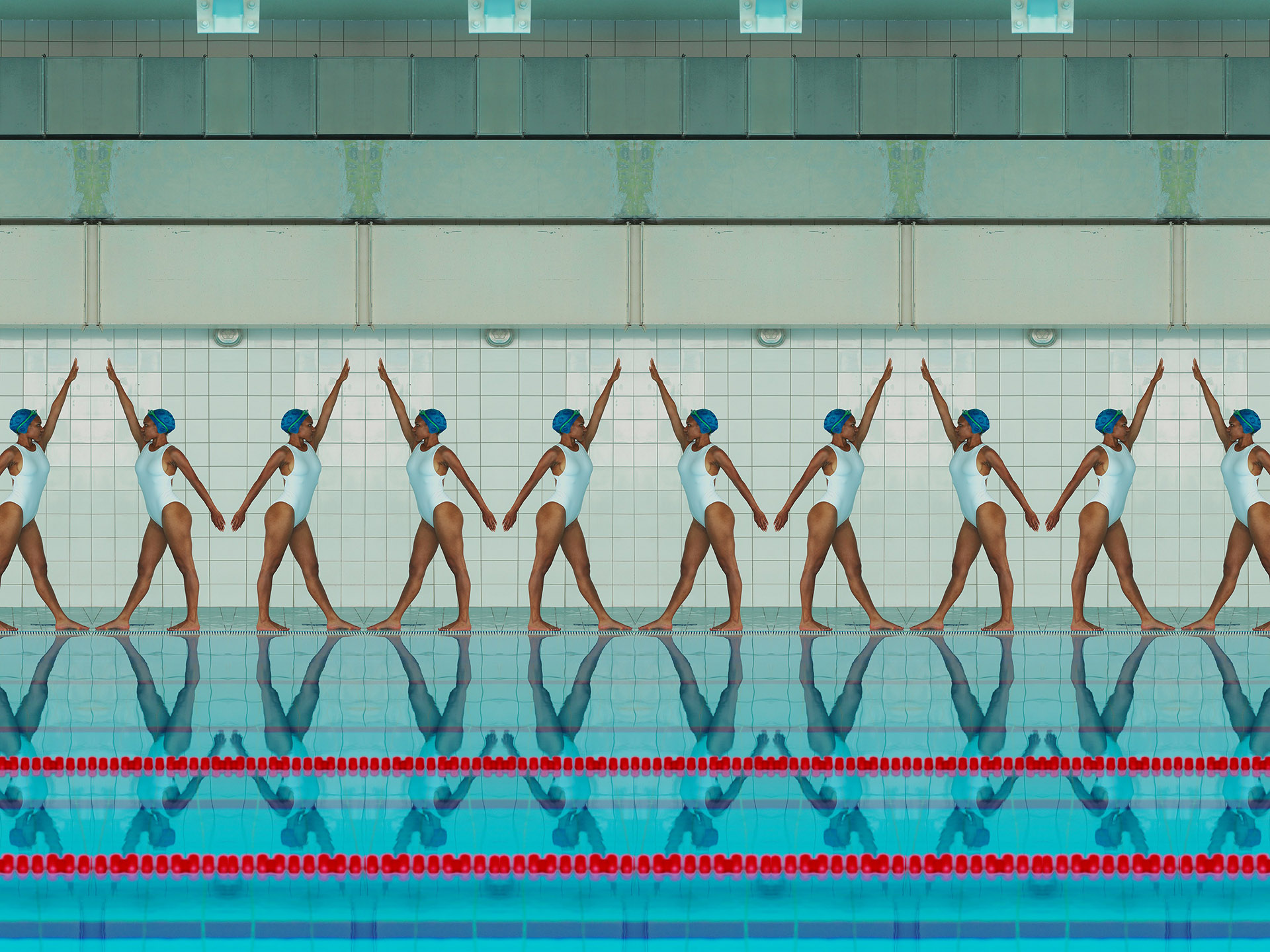
Maria Svarbova (Slovakia)
Movement, Pool 2020
92,5(h) x 122,5(w) cm (edition 10) and 122,5(h) x 162,5(w) cm (edition 10)
Photography / Fine art archival pigment print behind Museum Glass in a handmade white ash frame
Courtesy of ARTITLEDcontemporary and Maria Svarbova