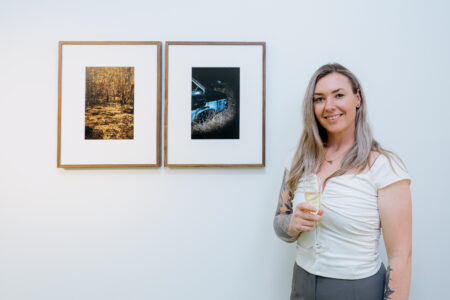
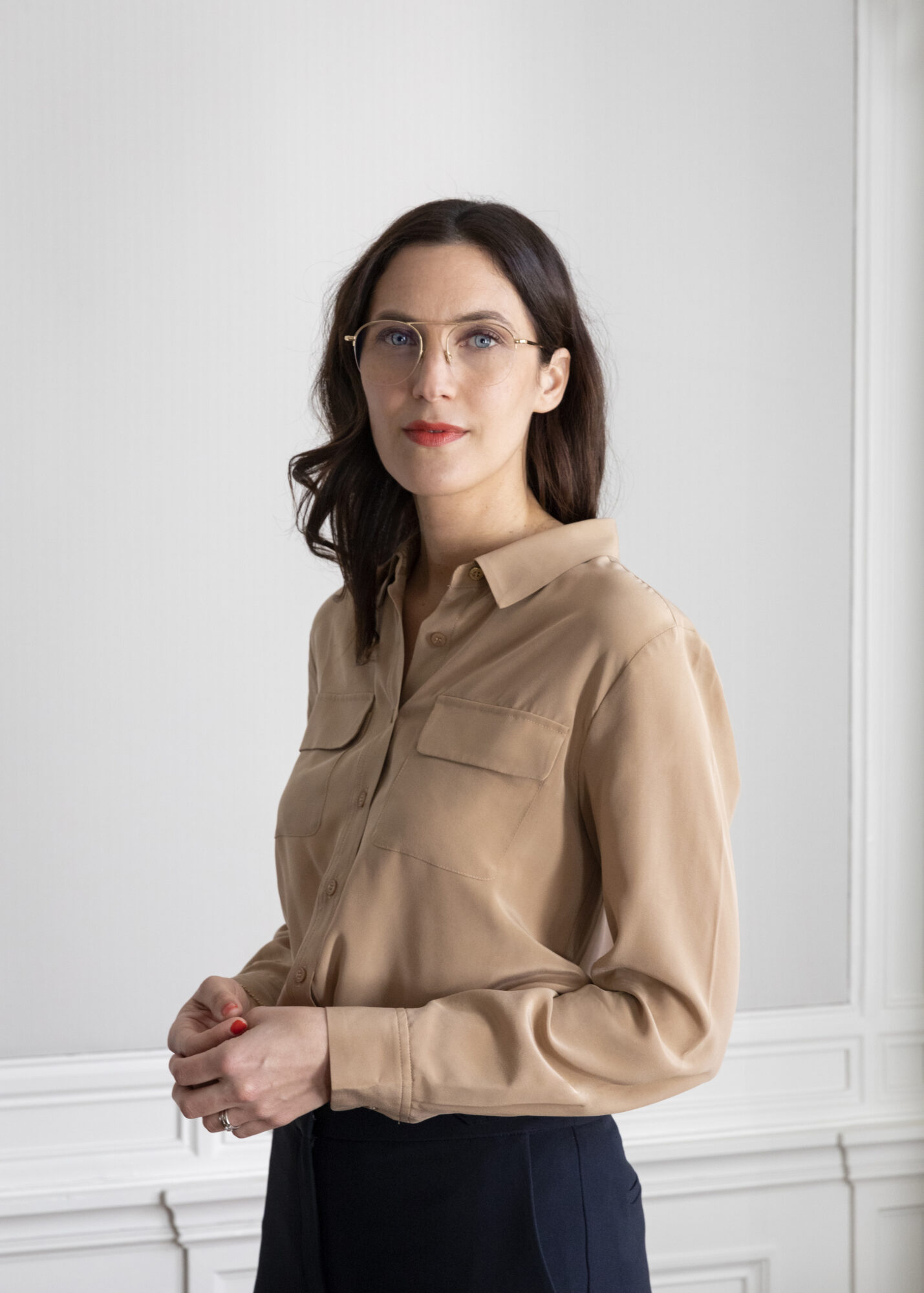
Barbara Staubli is Head of the Art Department at Julius Baer and curator of the Julius Baer Art Collection, overseeing more than 5,000 works by contemporary Swiss artists.
How did the Julius Baer Art Collection begin in 1981, and what belief about art in the workplace was guiding it from the outset?
The Julius Baer Art Collection was founded in 1981 on the initiative of Hans J. Baer (1927–2011), who believed that art in the workplace enhances the culture of discussion and offers inspiration to employees and clients alike. From the beginning, art was understood as something to be experienced daily — as a catalyst for dialogue and new perspectives.
Today, more than 5,000 works by contemporary Swiss artists are installed across Julius Baer’s offices worldwide. The collection forms an integral part of the company’s culture and identity, reflecting its commitment to creativity, innovation and exchange.
The collection has consistently focused on Swiss artists or artists connected to Switzerland. How does this sense of “Swissness” shape the way you think about collecting today?
The Julius Baer Art Collection specialises in works by contemporary artists of Swiss nationality or artists who live and work in Switzerland. This focus vividly reflects the Bank’s Swiss roots and is woven into its DNA. Over more than forty years, the collection has developed into a comprehensive overview of key artistic movements and developments in Swiss fine arts.
The artworks are distributed across Julius Baer’s offices worldwide, acting as ambassadors of the company’s heritage while connecting its global footprint to its cultural origins. In line with Julius Baer’s purpose of “creating value beyond wealth,” the collection follows a philanthropic approach: works are not acquired as investments, but as long-term support of contemporary Swiss artists and their artistic development.
Photography entered the collection relatively early. Do you recall the first photograph or photographic work that became significant for the collection, and can you explain why it felt important at the time?
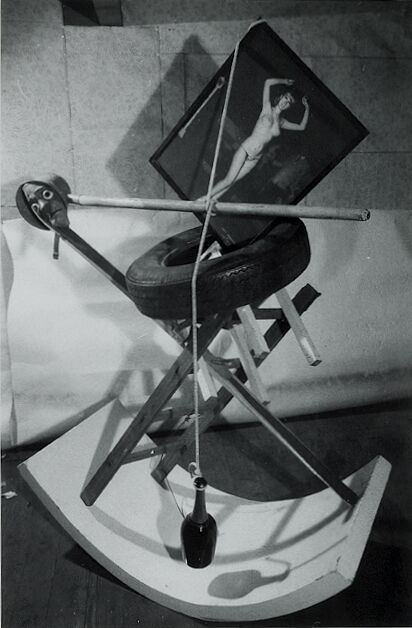
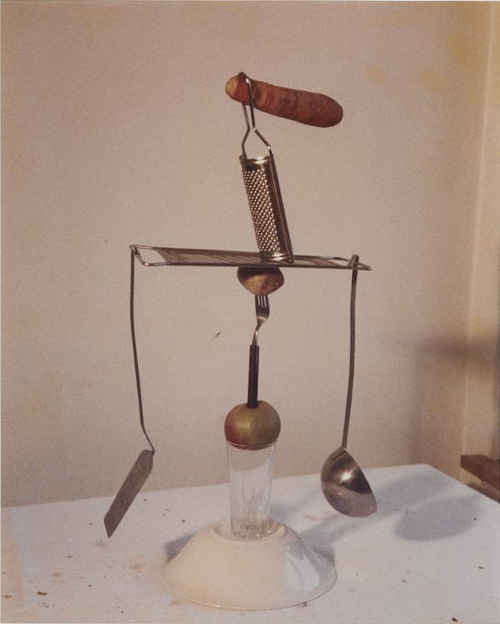
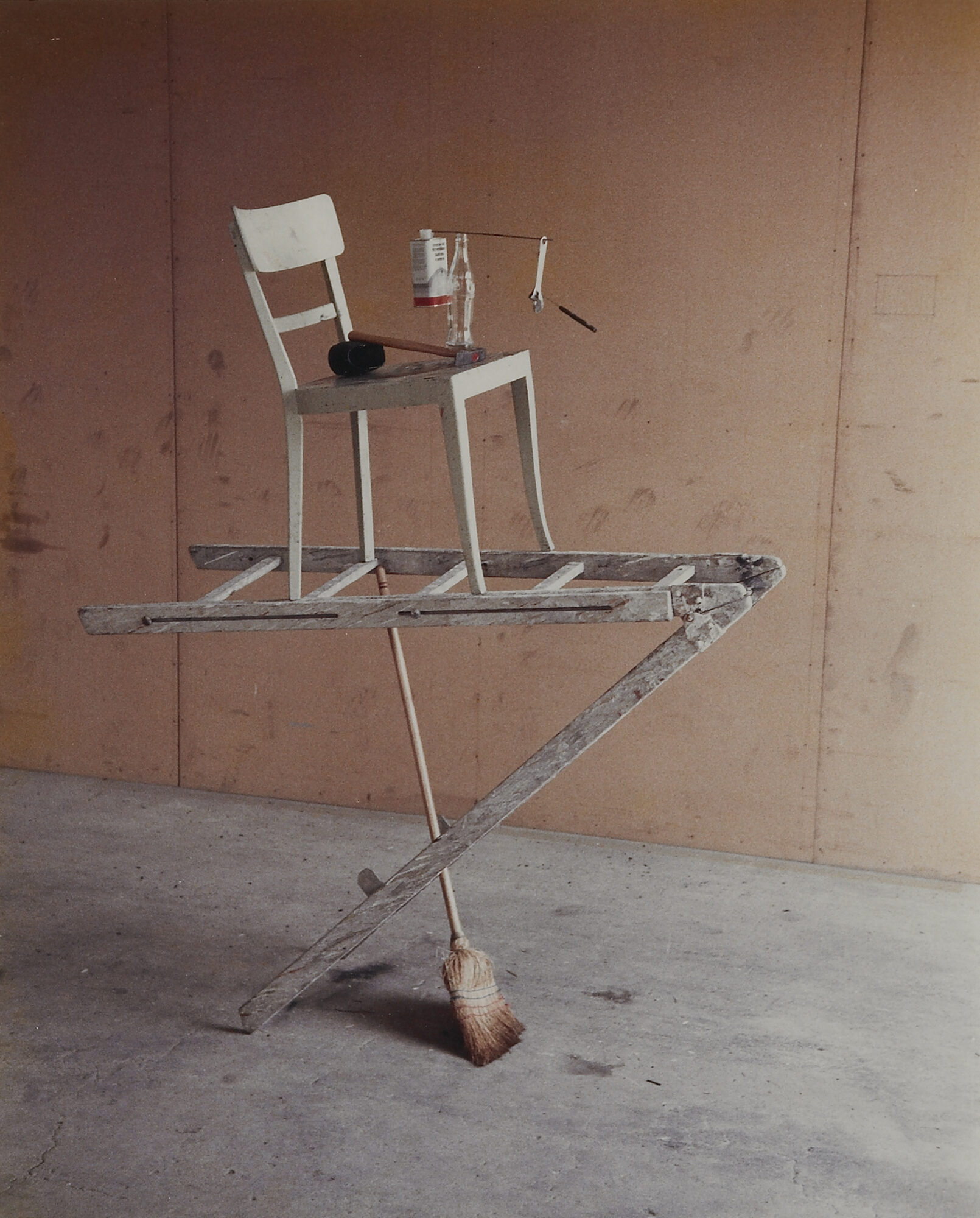
Photography entered the collection in 1985 with works by Fischli/Weiss from the “Équilibres / Stiller Nachmittag” series. At that time, photography was still in the process of gaining full institutional recognition as an autonomous art form. While artists such as Bernd and Hilla Becher or Cindy Sherman had already contributed significantly to its acceptance in the 1970s and 1980s, photography was not yet universally regarded on equal footing with painting and sculpture in all collecting circles.
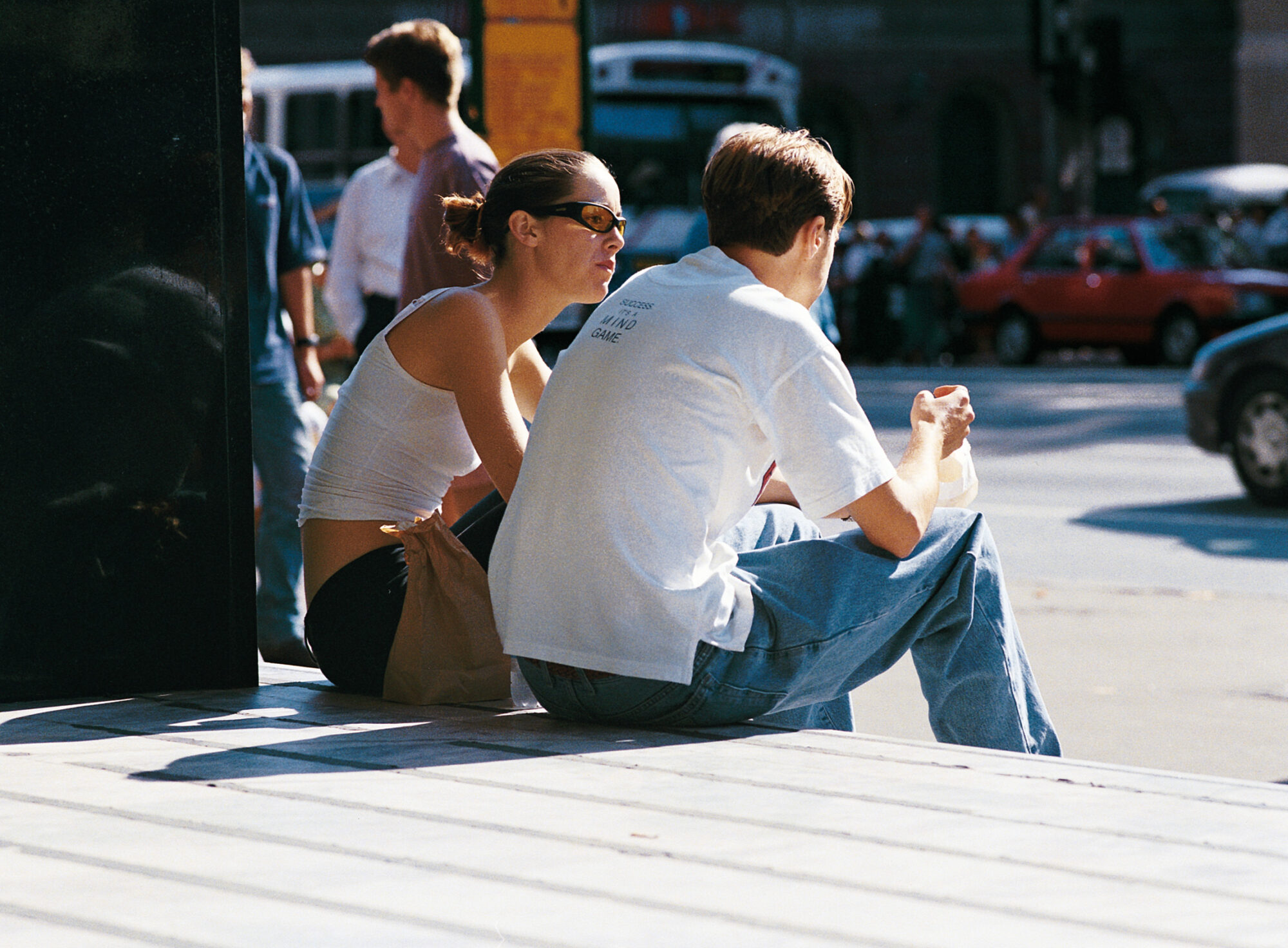
In the 1990s, contemporary photography became a great deal more prolific and diverse, and this was reflected in purchases of works by Beat Streuli, Daniela Keiser, Claudio Moser and Cécile Wick. A particularly significant moment came in 1998 with the acquisition of the large-scale work “Sydney, Melbourne 97/98” by Beat Streuli. The work’s quiet depiction of an everyday urban scene demonstrated photography’s ability to capture presence, psychology and social observation in a subtle yet powerful way. In retrospect, these acquisitions were pioneering steps that firmly anchored photography within the collection.
When the committee is considering acquiring a photograph, what are you most attentive to, whether that is the artist’s wider practice, the specific image, or how photography operates differently from other media in the collection?
At the heart of every decision are the originality of the artistic approach and the quality of the specific work. Today, nearly 900 photographic works are part of the collection. With our focus on artists at an early stage of their career, new media, techniques and ideas enter the collection almost automatically, giving it a pioneering character. In contemporary practice, photography is often one form of expression within a broader, cross-media approach. Artists experiment playfully with the boundaries of the medium, question its relationship to reality, or use it as documentation of performance and research. We look closely at how a photographic work relates to the artist’s overall development and whether it contributes meaningfully to the discourse of the medium.
The art committee model is central to how acquisitions are made. Can you describe what those discussions are like, and how differing perspectives shape the final decision?
Since 1981, the Art Committee has been responsible for acquisitions. It consists of five Bank employees with a passion for art, the curator and an external expert. We visit many exhibitions in galleries and museums together, attend art fairs and conduct studio visits. The discussions are lively, and the different personal perspectives are very welcome. This diversity among the committee members is a strength. It reflects the founding idea that art in the workplace should be experienced by everyone and should enhance the daily environment of the Bank.
Over time, the collection has evolved from focusing primarily on early-career artists to representing multiple stages of an artist’s practice. How has that evolution changed the way photography is collected within the group?
While the initial strategy focused strongly on supporting artists at the beginning of their careers, in recent years there has been greater emphasis on deepening representation by acquiring additional works that reflect the evolution of an artist’s practice. In photography, this is particularly relevant due to technological shifts that have shaped the medium over the past decades. The collection therefore combines early works with later developments, creating a dynamic blend of emerging and established positions.
Photography often carries a strong sense of immediacy and presence. How do photographic works live day to day within the offices, for staff, clients, and visitors encountering them outside a gallery context?
Art in the workplace inspires dialogue, encourages openness and introduces new perspectives into everyday routines. Installed throughout the offices, the works become part of the lived environment rather than being confined to a museum setting. Photography, especially when depicting elements of reality, is often perceived as particularly accessible. Its immediacy allows viewers to engage quickly, while still offering conceptual depth. In this way, photographic works create moments of reflection and exchange within the daily rhythm of the Bank.
Does the collection tend to acquire photographic works through galleries, fairs, or studio visits, and how important is seeing a photographic work in person before making a decision?
We acquire works through galleries, art fairs, museum exhibitions and studio visits. Seeing a photographic work in person is essential, as scale, materiality, surface and print quality are crucial aspects of the medium. Not all works in today’s collection stem from direct purchasing decisions by the Art Committee. In 2010, for example, the acquisition of ING’s Swiss banking business brought a substantial additional group of photographs by Balthasar Burkhard into the collection, significantly strengthening an area in which we already held important works.
The collection actively loans works to public institutions. What role does photography play in that outward-facing life of the collection, beyond the workplace itself?
Photography plays an important role in the outward-facing life of the collection. We actively loan works to public institutions and aim to make the collection as accessible as possible. Beyond physical loans, photographic works are widely presented through our website and Instagram channel, allowing a broader public to engage with them. As a substantial group within the collection, photography contributes significantly to this visibility.
Looking ahead, how do you see photography continuing to shape the collection, and what advice would you give to organisations beginning to collect photographic work today?
Over forty-five years, the Art Committee has built a diverse and versatile corporate collection characterised by courageous and sometimes groundbreaking acquisition decisions. Photography will continue to shape the collection as a medium that constantly evolves and reflects contemporary questions about perception, reality and representation. Its adaptability and relevance ensure that it remains an essential component of the Julius Baer Art Collection.
‘The originality of the artistic approach and the quality of the individual work remain central to every decision.’
Barbara Staubli
Head of Art Department, Julius Baer
Biography
Barbara Staubli studied history, art history and media relations at the University of Zurich. After working with internationally active galleries, where she was responsible for exhibitions, artists’ projects, publications and communications, she joined Bank Julius Baer in 2011. She has headed the Art Department since 2014.
As curator of the Julius Baer Art Collection, she oversees more than 5,000 works by contemporary Swiss artists and is responsible for its strategic development, collection management, exhibitions and publications. She is a member of the Art Committee and has served on numerous juries in the field of contemporary art. Since 2022, she has been a board member of the International Association of Corporate Collections of Contemporary Art (IACCCA).
View the Julius Baer Art Collection here.