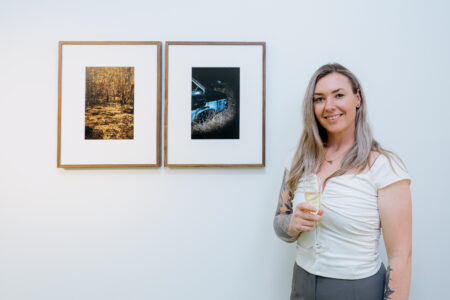
Maria Sukkar is curator of Positions at Photo London, the section dedicated to unrepresented photographic talent. Introduced for the Fair’s tenth edition, Positions was created to give early-career artists visibility within a serious curatorial framework, bringing them into direct dialogue with collectors, curators and institutions.
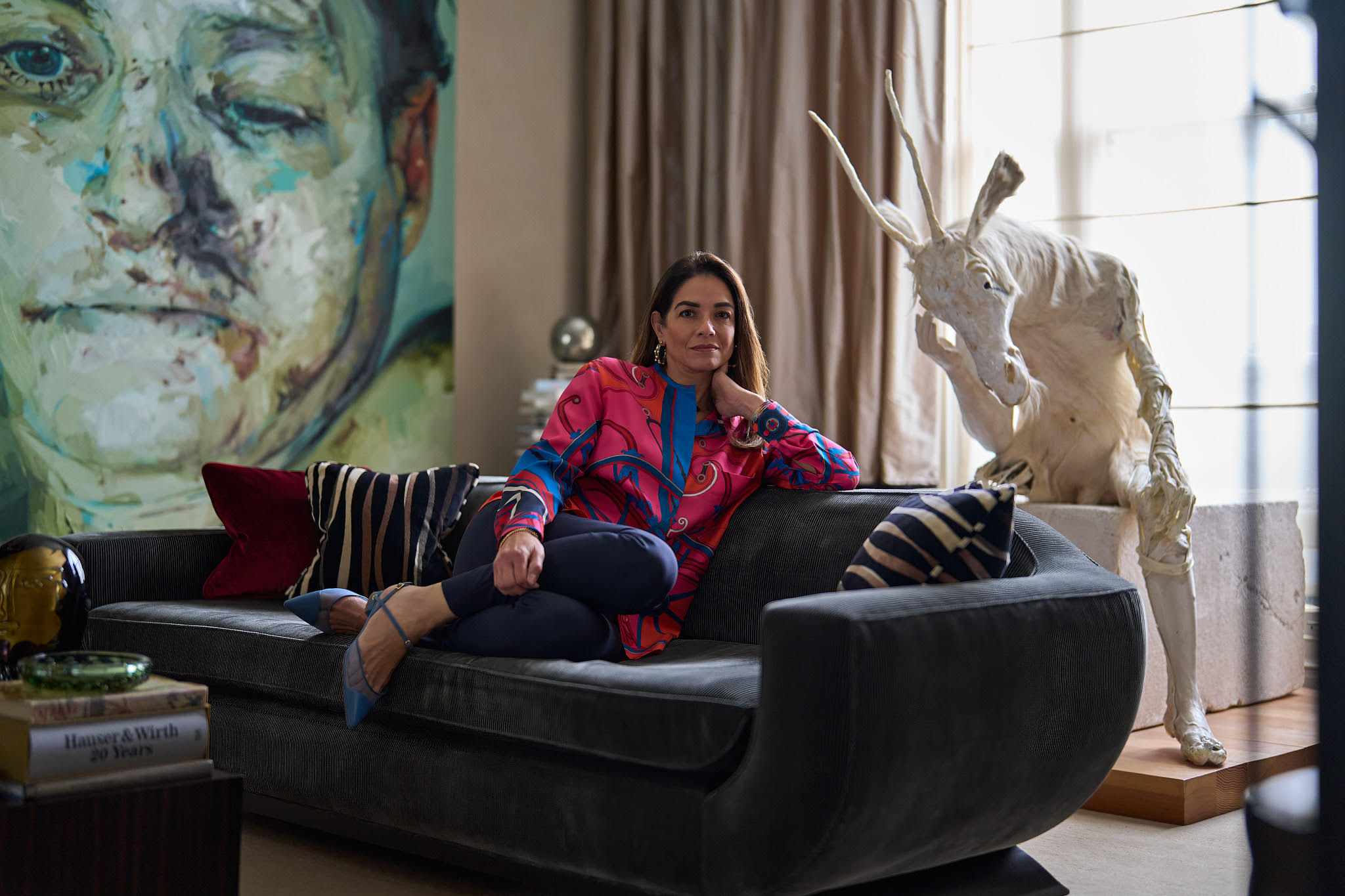
You began curating Positions for the tenth edition of Photo London. It was conceived as a way to spotlight unrepresented photographic talent. As you return to curate the 2026 edition, how would you describe its core purpose today?
At its core, Positions remains a platform for discovery, but today that purpose feels even more urgent. The section exists to create visibility at a moment when many artists are producing rigorous, compelling work yet remain outside traditional commercial structures. Positions offers credibility, exposure and a serious curatorial framework at a formative stage, while allowing audiences and collectors to encounter photography that is exploratory, unresolved and alive. It is a space of beginnings, risk and possibility.
What did the previous edition of Positions reveal to you, and how have those insights shaped your vision for its next chapter at Olympia?
The previous edition confirmed how powerful visibility can be when it is accompanied by care, context and dialogue. I learned that collectors and institutions are increasingly open to discovery when they are invited into a narrative rather than a transactional encounter. For 2026, this has shaped a more intentional approach, thinking not only about individual works but about how artists are framed, how their voices are articulated and how connections are created that may extend well beyond the fair.
Positions sits within a fair structure rather than a museum. How does that context influence the way you think about discovery, visibility and the early support that unrepresented artists often struggle to secure?
The fair context is one of Positions’ greatest strengths. It brings artists into direct dialogue with collectors, curators and institutions in real time. Unlike a museum setting, the fair allows for immediacy, exchange and responsiveness. That proximity can be transformative. It demystifies the art world for artists while allowing supporters to engage with work at a moment of emergence, when ideas are still forming and trajectories are not yet fixed.
Photo London enters a new phase with its move to Olympia. How do you imagine the scale and architecture of the National Hall shaping the way Positions can be seen, understood and experienced by visitors?
The scale and architecture of the National Hall offer an opportunity to give Positions greater presence and clarity. The space allows for breathing room, sightlines and moments of pause, which are particularly important when encountering work by emerging artists. My hope is that visitors will experience Positions not as a peripheral section, but as a distinct curatorial environment that invites attention, reflection and deeper engagement.
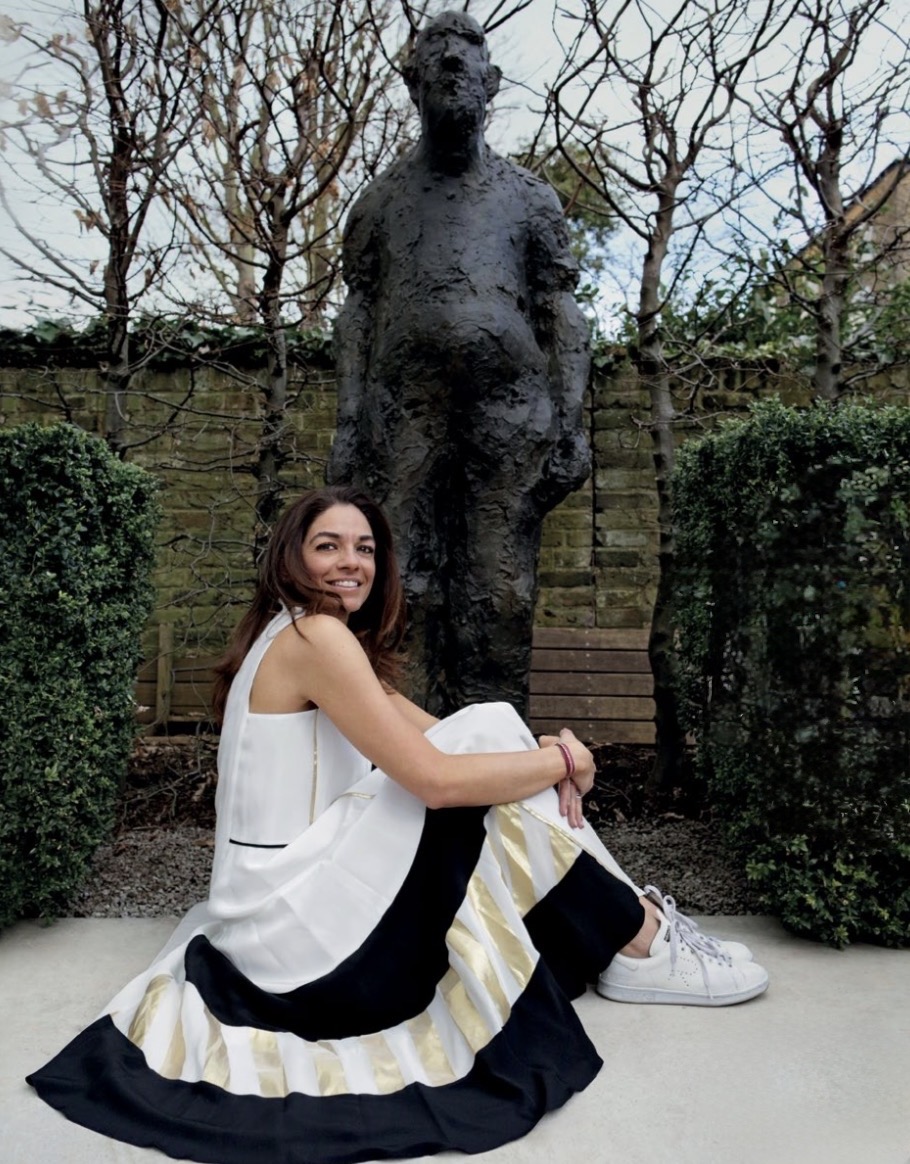
The Positions Supporters Circle invites collectors and patrons to nominate artists or support the section more broadly. Why do you think this model resonates now, and how do you see it changing the relationship between collectors and early-career artists?
This model resonates because it speaks to a desire for meaningful involvement. Many collectors today want to play an active role in shaping cultural ecosystems rather than simply acquiring finished outcomes. The Supporters Circle creates a sense of shared responsibility and investment, encouraging collectors to engage earlier, listen more closely and support artists beyond a single moment of sale. It fosters relationships built on trust, curiosity and long-term thinking.
You have long championed artists whose work explores identity and the human condition. Do you see those themes emerging strongly among the artists represented in Positions, and does this influence your curatorial direction?
Very much so. Many artists working today are responding to questions of identity, belonging, memory and lived experience, often through deeply personal and hybrid approaches to photography. These themes emerge organically within Positions and they do influence my curatorial direction, not as a prescribed framework but as a reflection of the concerns shaping contemporary life. I am drawn to work that feels emotionally intelligent and attentive to complexity.
Positions offers a platform for artists without gallery representation, which can be a particularly vulnerable stage in a photographic career. What do you think is most often misunderstood about this period, and how can initiatives like Positions provide meaningful support?
What is often misunderstood is how precarious and isolating this period can be. Lack of representation does not equate to lack of seriousness or ambition. Many artists at this stage are deeply committed, but navigating visibility, validation and sustainability simultaneously. Initiatives like Positions can provide not only exposure but confidence, networks and a sense of being seen within a professional context that respects their work.
You work closely with institutions through acquisitions committees including Tate and the British Museum. How does that experience inform the way you build a section like Positions, which is rooted in risk-taking, experimentation and new voices?
Working with institutions has sharpened my sensitivity to long-term cultural value. It has taught me to look beyond immediate trends and consider how works might resonate, endure and contribute to broader narratives. That perspective informs Positions by encouraging thoughtful risk-taking and openness to experimentation, while still maintaining curatorial rigour. It is about recognising potential and trusting emerging voices.
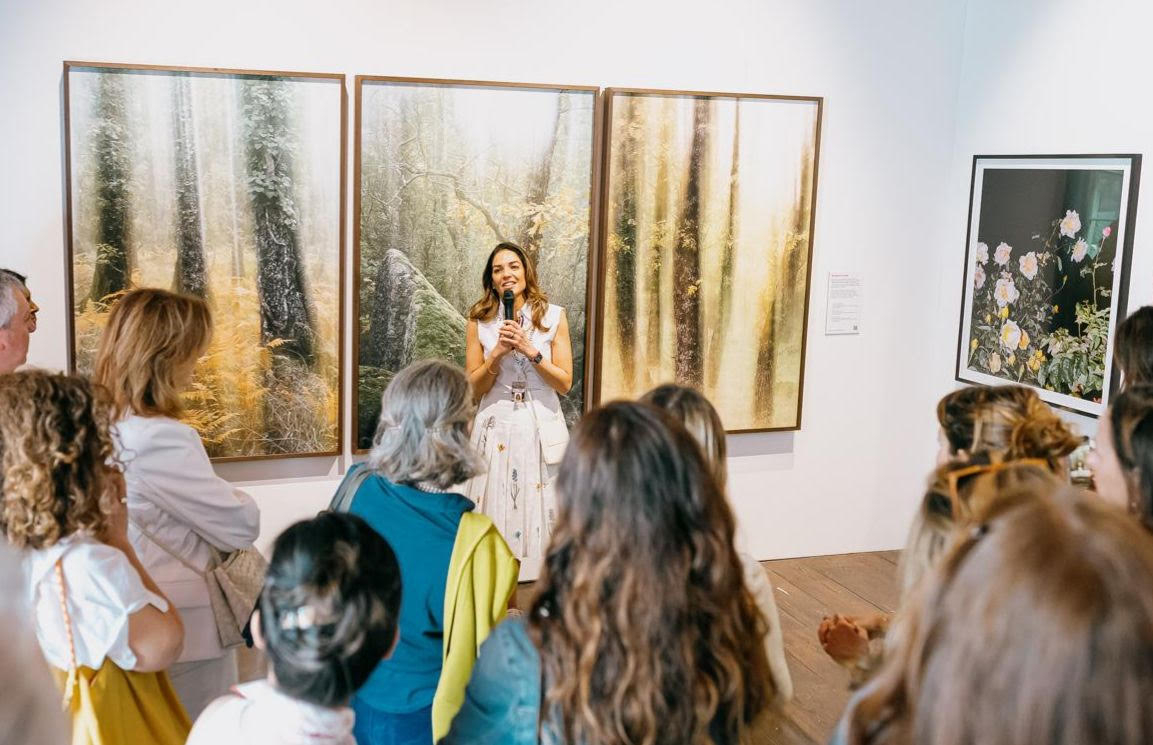
Photography has become increasingly fragmented and hybrid, yet it still struggles for space within the wider art market. What potential do you see for Positions to influence how photography is collected and understood in the coming decade?
Positions has the potential to challenge narrow definitions of photography by presenting it as expansive, interdisciplinary and conceptually rich. By foregrounding artists who push the medium in new directions, it can encourage collectors and institutions to think more broadly about what photographic practice can be. Over time, this can help shift how photography is valued, collected and integrated into wider cultural conversations.
The Supporters Circle allows patrons to shape an artist’s journey at a moment of real vulnerability and possibility. Why does early support matter so much, and what can it bring to both the artist and the wider cultural ecosystem?
Early support can be decisive. It can give artists the confidence and resources to continue, to take risks and to imagine a future for their practice. For the wider ecosystem, it nurtures diversity, experimentation and renewal. When artists are supported early, the cultural landscape becomes richer, more dynamic and more reflective of the world we live in.
When selecting artists for Positions 2026, what qualities or approaches feel essential to you? Are there particular forms of storytelling, innovation or urgency that you hope to foreground?
I am drawn to artists who demonstrate clarity of intent and a willingness to engage deeply with their subject matter. Storytelling feels essential, whether personal or political, as does a sense of urgency and honesty. Innovation matters, but not for its own sake. I am interested in work that feels necessary, that asks questions and opens space for dialogue.
Positions creates a meeting point between artists, curators and patrons. Why does this triangulation matter, and what forms of dialogue or exchange do you hope might grow out of the 2026 edition?
This triangulation matters because it breaks down silos. When artists, curators and patrons meet on equal footing, new forms of understanding and collaboration can emerge. I hope the 2026 edition will generate conversations that lead to mentorship, institutional interest, long-term support and a deeper appreciation of the complexities behind artistic practice.
Looking ahead, what would you like the long-term legacy of Positions to be within Photo London’s new chapter at Olympia, and within the broader ecosystem of photographic culture?
I would like Positions to be known as a space where important careers begin, where risk is embraced and where photography is presented with seriousness and generosity. Within Photo London’s new chapter at Olympia, I hope it becomes a vital reference point for discovery and dialogue, and within the broader ecosystem, a model for how emerging artists can be supported with integrity and vision.
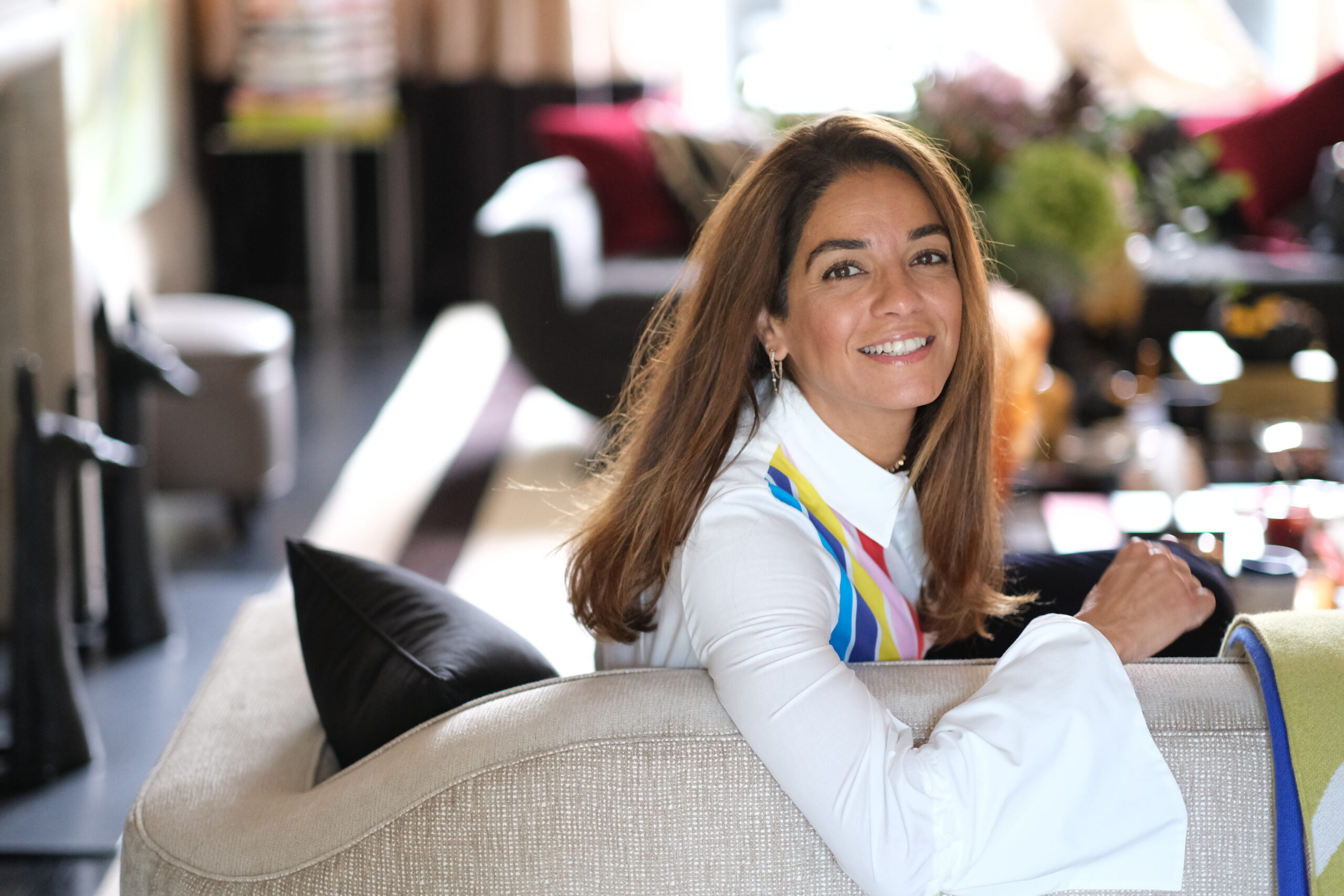
‘I would like Positions to be known as a space where important careers begin, where risk is embraced and where photography is presented with seriousness and generosity.’
Maria Sukkar
Curator, Positions
Biography
Maria Sukkar was born and raised in Beirut and moved to London in 2004. Over the past two decades, she has become a prominent collector, patron and advocate for contemporary art, building the ISelf Collection around works that reflect the complexities of the human condition, from identity and memory to trauma, intimacy and belonging.
Alongside her work as a collector, Sukkar has held a number of advisory and acquisitions roles across major cultural institutions. She is co-chair of Tate’s Middle East and North Africa Acquisitions Committee and a member of its Photography Acquisitions Committee. She is also curator of Positions at Photo London, where she champions unrepresented photographic artists and helps shape a platform for emerging voices in contemporary practice.